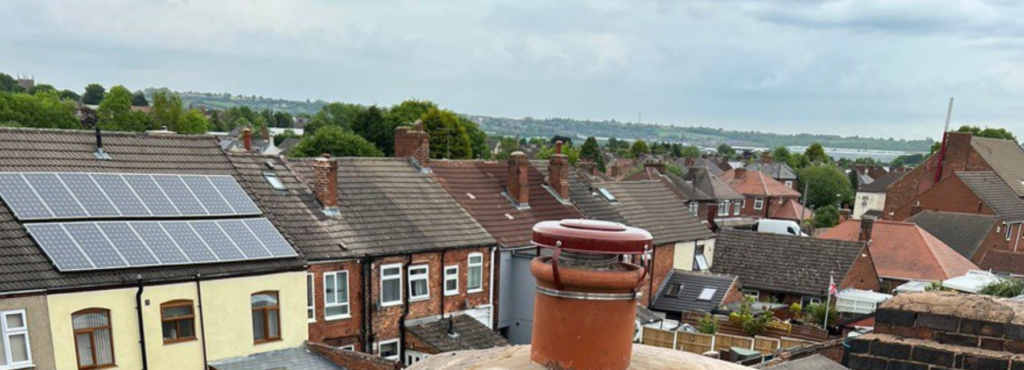
Occasional roof repairs are a normal part of maintaining a property. However, when new defects appear every year, it may indicate that individual repairs are addressing separate symptoms without resolving a wider underlying problem.
Recurring damage does not automatically mean that the entire roof needs replacing. It does mean that the roof should be assessed as a complete system rather than treating each visible fault in isolation. For property owners in Ely, Cambridgeshire, a thorough inspection can clarify why problems keep returning and what type of work is appropriate.
Why a Roof May Develop New Problems Every Year
A roof contains many connected components, including tiles or slates, battens, underlay, flashing, valleys, ridges and drainage details. If several of these elements are deteriorating at a similar rate, repairing only the latest defect may leave other vulnerable areas unchanged.
Earlier Repairs May Have Treated the Symptom
A damp patch or displaced tile identifies where a problem became noticeable, but not necessarily where it began. Water can travel along underlay, rafters and battens before appearing inside a room.
If a repair is completed directly above an internal stain without tracing the true entry point, the leak may return during later rainfall. Likewise, covering a visible gap with a surface sealant may not correct damaged flashing, split underlay or movement underneath.
Effective repairs begin with identifying the cause rather than responding only to the most obvious symptom.
Several Roof Components May Be Ageing Together
Roof materials are exposed to the same weather conditions over many years. Tiles, mortar, fixings, flashing and underlay may therefore begin to deteriorate within a similar period.
One cracked tile might be an isolated issue. If tiles continue to slip, ridge mortar repeatedly loosens and flashing begins to fail in different places, the pattern may indicate broader deterioration.
Assessing the condition of all major roof components helps determine whether focused repairs remain practical or whether more extensive work should be considered.
The Underlay or Battens May Be Deteriorating
The materials beneath the visible roof covering play an important role in keeping the roof secure and weather-resistant. Battens support tiles and slates, while underlay provides secondary protection against moisture.
If battens have weakened, roof coverings may continue to move even after individual pieces are replaced. Damaged or brittle underlay can also allow water into the roof space whenever rain passes beneath the outer covering.
Because these materials are concealed, recurring surface problems may be the first indication that the supporting layers require attention.
Roof Junctions May Have a Wider Defect
Chimneys, walls, dormers, valleys and roof penetrations create junctions that need carefully formed weatherproof details. A leak may return if only one small part of a complex junction has been repaired.
For example, replacing a loose tile beside a chimney may not stop water entering through failed flashing further up the roof. A valley may also contain damage beneath debris or surrounding tiles that is not visible during a limited inspection.
The complete junction should be examined to understand how water is moving through the area.
Drainage Problems Can Cause Repeated Damage
Blocked gutters, restricted outlets and poorly draining valleys can cause water to collect or overflow onto vulnerable roof edges. Clearing the immediate blockage may help, but recurring problems can continue if the roof does not direct water away effectively.
Persistent moisture may damage fascia boards, roof edges, underlay and nearby timber. An assessment should therefore consider the drainage route as well as the visible roof covering.
Wind May Be Exposing an Existing Weakness
If tiles or slates regularly move during windy weather, the problem may involve weakened fixings, deteriorated battens or an exposed roof detail. Replacing one displaced covering restores that section, but neighbouring pieces may remain vulnerable.
Repeated storm-related damage in the same area often suggests that the supporting structure or fixing method needs closer inspection. Treating the wider weakness can help prevent the same pattern from continuing.
Previous Work May Not Be Integrating Properly
Repairs must connect securely with the surrounding roof. Incorrect overlaps, incompatible materials or poorly formed joints can redirect water towards another vulnerable point.
A repair may appear sound in dry conditions but fail during sustained or wind-driven rain. When several earlier repairs exist, the interfaces between old and newer materials should be checked carefully.
Signs That the Roof Needs a Broader Assessment
A full roof inspection is sensible when:
- Leaks appear in different rooms or roof slopes
- Tiles or slates repeatedly become loose
- Damp patches return after earlier work
- Mortar is deteriorating across several areas
- Flashing defects occur at multiple junctions
- The roofline appears uneven or distorted
- Repairs are becoming necessary after most periods of bad weather
- Several temporary repairs are already visible
These signs do not determine the solution by themselves, but they show that the roof should be considered as a whole.
Can Further Repairs Still Be Effective?
Continued repair may remain appropriate when the problems are genuinely localised and most of the roof is structurally sound. A defined section of damaged underlay, one failed junction or a limited group of deteriorated tiles may all be repairable.
More extensive work may be worth considering when defects are widespread, supporting materials have deteriorated or each repair is followed by a new failure nearby.
The decision should be based on evidence from the roof’s condition, not simply its age or appearance.
Why Professional Diagnosis Matters
A detailed assessment should examine the external covering, flashing, valleys, ridges, roof edges and drainage. Where accessible, the roof space can reveal damp insulation, damaged underlay, stained timbers and the paths followed by water.
This evidence helps distinguish between unrelated minor defects and a pattern caused by one wider issue. It also allows the appropriate work to be planned rather than continuing with disconnected repairs.
Conclusion
When a roof needs repairs every year, it often means that underlying deterioration, weakened supporting materials or unresolved water entry points require closer attention. The roof may still be repairable, but recurring faults are a strong reason to arrange a complete assessment rather than treating each problem separately.
Ely Roofing Repairs provides professional roof inspections and repairs in Ely, Cambridgeshire. If your roof continues to develop new leaks or defects, contact our team to identify the cause and determine the most suitable course of action.
Call us on: 01353 881 098
Click here to find out more about Ely Roofing Repairs
Click here to complete our contact form and see how we can help with your roofing needs.