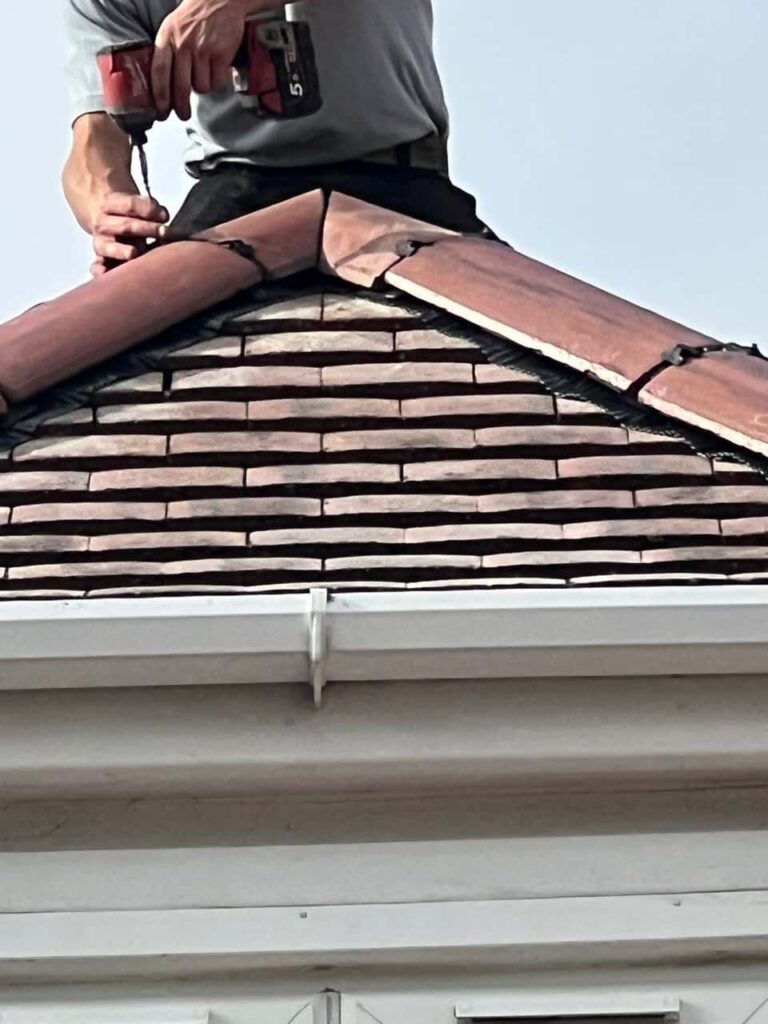
A cracked roof tile may seem like a minor problem, particularly if there are no visible signs of water entering your home. However, even a small crack can leave the roof more vulnerable to rain, wind and further damage. Knowing when a damaged tile needs urgent attention can help prevent a manageable repair from developing into a more serious roofing issue.
For homeowners in Ely, Cambridgeshire, the right response depends on the condition of the tile, the surrounding roof and whether the damage is allowing water to enter. Some situations require prompt attention, while others can be assessed and repaired as part of planned roof maintenance.
When Is a Cracked Roof Tile an Emergency?
A cracked roof tile becomes more urgent when it compromises the roof’s ability to keep water out or creates an immediate safety concern. The crack itself may be small, but its position and severity can make a significant difference.
If you notice water dripping through the ceiling, damp patches appearing in the loft or water marks spreading across an upstairs ceiling, the damaged tile may be allowing rainwater into the property. Water can travel along roof timbers and other materials before becoming visible indoors, so the source of a leak is not always directly above the affected area.
A tile that has broken apart, slipped out of position or left part of the roof exposed also needs prompt attention. Gaps in the roof covering can allow wind-driven rain to reach the underlying materials, particularly during prolonged wet weather.
If several tiles are damaged following strong winds or falling debris, it is sensible to arrange a professional roof inspection as soon as possible. Avoid approaching the damaged area yourself, as climbing onto a roof can be dangerous.
When Can a Cracked Roof Tile Wait?
Not every cracked tile requires an emergency response. If the tile remains in position, there are no signs of water ingress and the surrounding roof covering appears intact, the situation may be suitable for a planned repair.
However, this does not mean the damage should be ignored. A crack can widen over time, and repeated exposure to rain, temperature changes and wind may cause the tile to deteriorate further.
It is also difficult to judge the full extent of the problem from the ground. A tile that appears stable may have a damaged fixing or may be affecting the way adjoining tiles overlap. Arranging an inspection helps establish whether the damage is isolated or part of a wider roofing issue.
If you are unsure about the condition of a cracked tile on your property in Ely, Cambridgeshire, seeking professional advice is a sensible way to determine how quickly repairs are needed.
What Signs Suggest the Damage Is Getting Worse?
Several warning signs can indicate that a cracked roof tile needs more immediate attention.
- Damp patches or water stains: Marks on ceilings, walls or loft timbers may indicate that rainwater is getting beneath the roof covering.
- Loose or displaced tiles: A tile that has shifted may leave gaps and could become more unstable in windy conditions.
- Fragments on the ground: Broken pieces of tile around the property may suggest that damage is more extensive than it first appeared.
- Visible daylight in the loft: Light entering through an unexpected gap in the roof covering can indicate an opening that needs investigation.
- Recurring dampness: If the same area becomes damp after rainfall, the underlying problem may not have been resolved.
These signs do not always identify the exact cause, but they provide useful reasons to arrange a roofing assessment rather than wait for further deterioration.
Can a Single Cracked Tile Cause Roof Leaks?
Yes. A single cracked tile can allow water to reach the layers beneath the roof covering, especially when rain is driven sideways by strong winds. Roof tiles work together to direct water towards the gutters, with their overlapping arrangement helping to prevent moisture from reaching the roof structure.
When a tile cracks, this protective arrangement may be weakened. Water can pass through the damaged section, collect beneath the tiles or reach vulnerable roof components. If the problem continues, dampness may affect timber, insulation and internal finishes.
The extent of the damage depends on the location of the crack, the roof’s design and the condition of the surrounding materials. A small crack does not automatically mean extensive damage has occurred, but prompt assessment can help establish whether further repairs are necessary.
How Is a Cracked Roof Tile Repaired?
The appropriate repair depends on the type of tile, the severity of the damage and the condition of the surrounding roof. Where a tile is cracked or broken, replacement is often the most reliable solution because it restores the roof covering’s ability to shed water.
A roofer will also check that the replacement tile fits correctly and that nearby tiles, fixings and overlapping sections are secure. If water has already entered the roof, the affected area may need additional inspection to establish whether moisture has damaged the underlying materials.
Simply covering a crack without addressing the cause may provide an unreliable result. A professional assessment helps determine whether the issue is limited to one tile or whether movement, damaged fixings or other defects need attention.
Homeowners should avoid climbing onto the roof or attempting to move loose tiles themselves. Even apparently minor repairs can involve slippery surfaces, unstable materials and a risk of falling.
Why Prompt Roof Repairs Matter in Ely, Cambridgeshire
Leaving a damaged tile unattended can allow water ingress to continue unnoticed, particularly when the leak only becomes apparent during heavy or persistent rainfall. What begins as an isolated defect may eventually affect other parts of the roof or lead to damage inside the property.
Arranging a repair at the appropriate time helps maintain the roof’s weather resistance and reduces the likelihood of the problem worsening. It also gives a roofer the opportunity to identify related defects before they become more difficult to resolve.
For properties in Ely, Cambridgeshire, Ely Roofing Repairs can assess cracked or damaged roof tiles, identify the likely cause and recommend suitable repairs based on the condition of the roof.
Conclusion
A cracked roof tile is not always an emergency, but it should never be dismissed without considering the potential consequences. If water is entering the property, tiles have become loose or the roof has been left exposed, prompt attention is important. If the damage appears minor and there are no signs of a leak, arranging a planned inspection is still advisable.
Ely Roofing Repairs can help determine whether a cracked tile needs urgent attention or a straightforward repair. Contact the team to arrange a roof assessment and help keep your roof in good condition.
Call us on: 01353 881 098
Click here to find out more about Ely Roofing Repairs
Click here to complete our contact form and see how we can help with your roofing needs.